Lala Lajpat Rai
1865 - 1928
Dhudike, Punjab, British India
Biography
Lala Lajpat Rai, known as Punjab Kesari (Lion of Punjab), was one of the most influential figures in India’s struggle for independence. A fiery orator, prolific writer, and fearless leader, he dedicated his life to the cause of Indian freedom and social reform.
The Lal Bal Pal Trio
Lajpat Rai formed one-third of the famous Lal Bal Pal triumvirate, alongside Bal Gangadhar Tilak and Bipin Chandra Pal. Together, they represented the rise of militant nationalism in the Indian National Congress, advocating for Swaraj (self-rule) and rejecting the moderate approach of petitioning the British for reforms.
American Sojourn
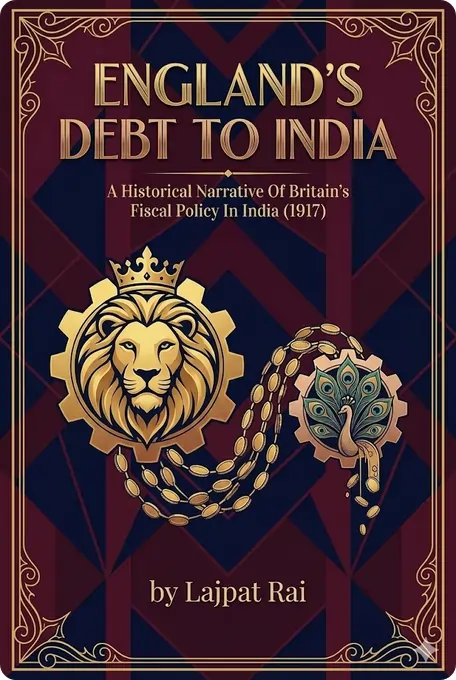
During World War I (1914-1919), Lajpat Rai lived in the United States, where he wrote extensively about conditions in India and advocated for Indian independence. It was during this period that he wrote Young India (1916) and England’s Debt to India (1917), both powerful indictments of British colonial rule based primarily on British sources themselves.
Literary Works
Lajpat Rai was a prolific author who used his pen as effectively as his oratory. His works include biographies of Mazzini, Garibaldi, and Shivaji, as well as political and economic analyses of British rule. In England’s Debt to India, he meticulously documented the economic exploitation of India using exclusively British testimony, making his critique unassailable.
Martyrdom
On 30 October 1928, Lajpat Rai led a peaceful protest against the Simon Commission in Lahore, raising the slogan “Simon Go Back!” Police Superintendent James Scott ordered a brutal lathi charge, personally assaulting Rai. Despite severe injuries, Rai addressed the crowd, declaring: “I declare that the blows struck at me today will be the last nails in the coffin of British rule in India.” He died on 17 November 1928.
Legacy
Lajpat Rai’s martyrdom galvanized the independence movement. His death was avenged by Bhagat Singh and his associates, who killed a British police officer in retaliation. Today, Lajpat Rai is remembered as one of India’s greatest freedom fighters, his sacrifice a turning point in the struggle for independence.
Timeline
Birth in Punjab
Born on 28 January in Dhudike, Faridkot district (now Moga), Punjab, to Munshi Radha Krishna
Studies at Lahore
Joined Government College at Lahore to study Law
Joined Indian National Congress
Began political career, becoming increasingly involved in the freedom movement
Deported to Mandalay
Imprisoned without trial in Mandalay (Burma) for involvement in the freedom movement
Went to United States
Traveled to the US during World War I, writing and advocating for Indian independence
Published England's Debt to India
Published his influential economic critique of British rule in India from New York
Led Non-Cooperation Movement
Returned to India and led the special session of the Indian National Congress launching non-cooperation
Founded Servants of the People Society
Established the non-profit Lok Sevak Mandal in Lahore
Martyrdom
Died on 17 November from injuries sustained during a lathi charge at the Simon Commission protest